Essential Landscape Maintenance Tips for a Healthy Outdoor Space

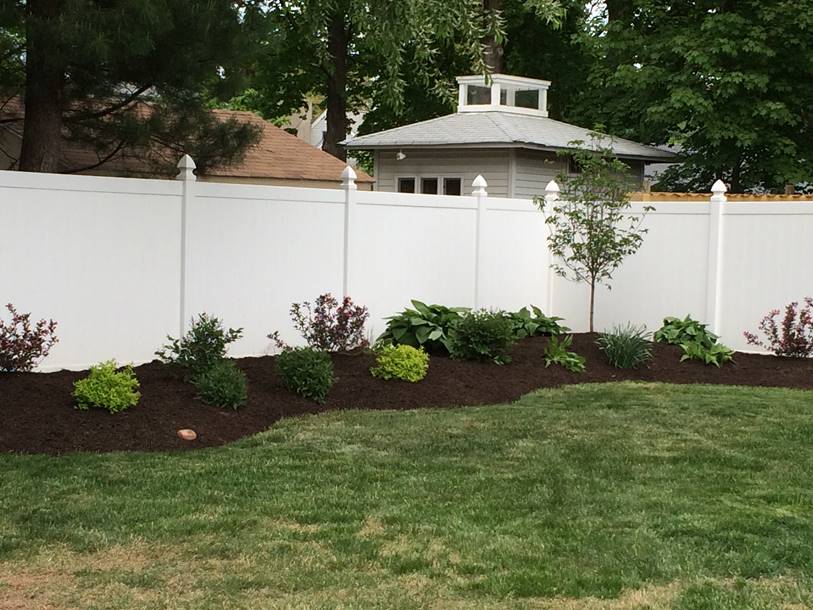
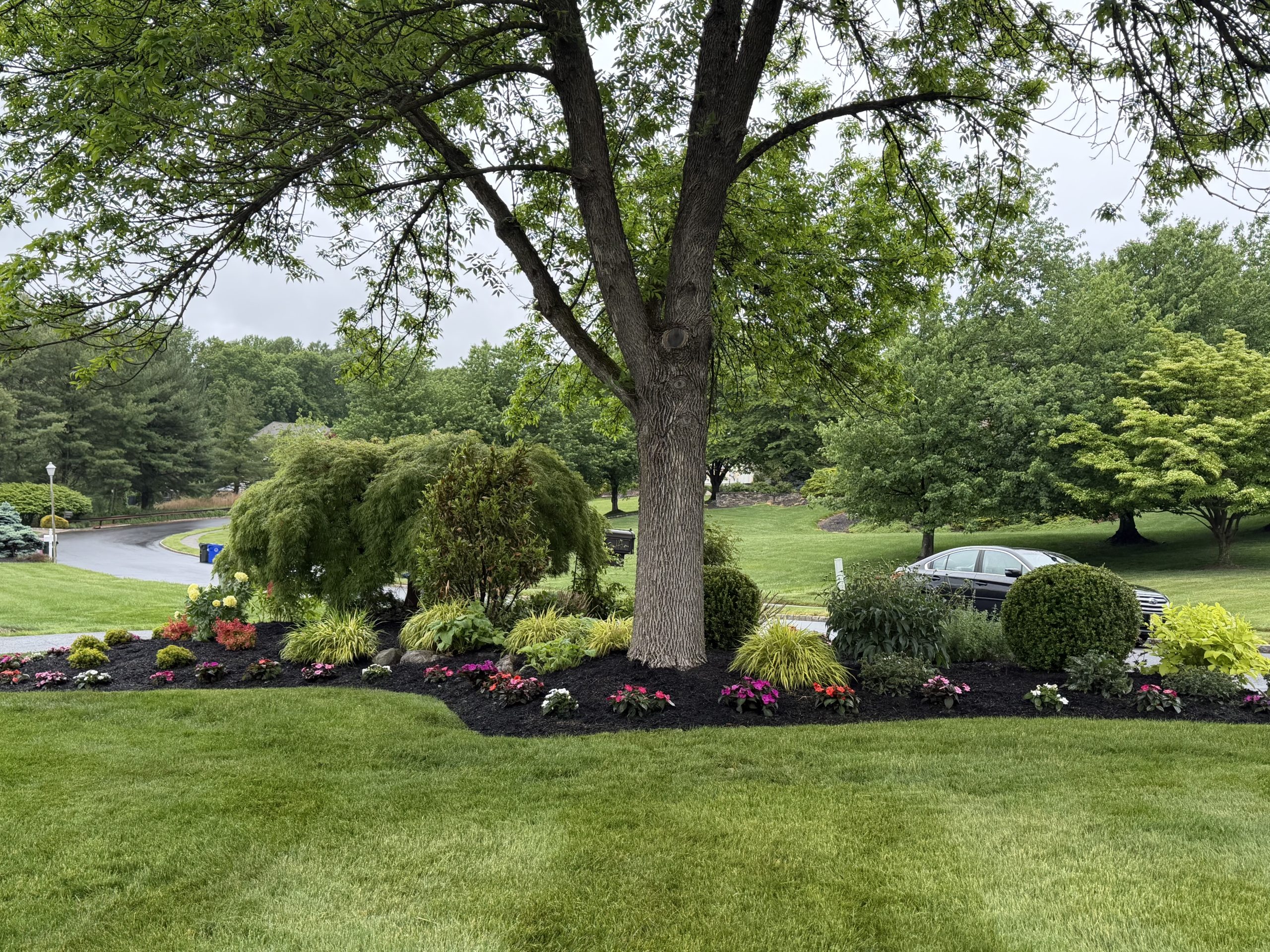
A healthy outdoor space rarely happens by accident. It is usually the result of steady observation, timely work, and a willingness to adjust to what the site is telling you. Good Landscape Maintenance is less about making a yard look perfect every week and more about keeping soil, turf, trees, shrubs, and hard surfaces in balance over time. When that balance is off, the warning signs show up quickly, patchy grass, shrubs that look tired by midsummer, standing water near walkways, mulch washing into beds, or weeds taking over open soil.
One of the most common mistakes property owners make is treating every landscape the same. A shaded backyard with mature trees does not need the same care as a sunny front lawn exposed to heat and reflected glare from pavement. A new planting bed needs different attention than an established one. Even two homes on the same street can have very different drainage patterns, soil texture, and wind exposure. The strongest maintenance routines account for those differences instead of fighting them.
The good news is that most landscape problems are preventable. Small corrections made at the right time are far cheaper than replacing dead shrubs, regrading soggy areas, or renovating compacted turf. The best results come from working with natural cycles, especially temperature, rainfall, root growth, and seasonal stress.
Start with the soil, because everything else depends on it
People naturally focus on what they can see, greener grass, fuller shrubs, more flowers. Yet the real condition of a landscape begins below the surface. If the soil is compacted, poorly drained, or depleted of organic matter, no amount of fertilizer or watering will fully fix the problem.
Healthy soil should hold moisture without staying waterlogged. It should allow air to reach roots and give plants room to spread. In many residential properties, soil has been disturbed during construction, which often leaves a hard, compacted layer a few inches below the surface. That is why newly built neighborhoods frequently struggle with thin lawns and stressed foundation plantings even when irrigation is regular.
A practical first step is to pay attention after rainfall. If water puddles for more than a day in turf areas, the soil may be compacted or the grade may be wrong. If water runs off beds instead of soaking in, the surface may be crusted and dry. In both cases, adding compost over time can help improve structure. Core aeration in lawn areas also makes a noticeable difference, especially in clay-heavy soils or high-traffic zones where children, pets, or routine foot traffic keep pressing the ground tight.
Mulch also plays a bigger role than many people realize. A proper mulch layer helps moderate soil temperature, slows evaporation, and reduces weed pressure. The ideal depth is usually around two to three inches. More than that can smother roots and trap excess moisture against stems. I have seen plenty of shrubs decline not from neglect, but from being buried under thick “volcano” mulch piled around the trunk. It looks tidy for a week and causes problems for years.
Watering well matters more than watering often
Overwatering and shallow watering are both widespread problems. Many landscapes receive frequent light irrigation that wets the top inch of soil and leaves deeper roots dry. Plants respond by staying near the surface, where they become more vulnerable to heat and drought.
Deep, less frequent watering encourages stronger root systems. Turf generally does better with enough water to soak several inches into the soil, followed by time for the surface to dry slightly before the next cycle. Shrubs and trees benefit from slow soaking around the root zone rather than quick sprays against the foliage. When watering becomes a habit instead of a response to conditions, waste and disease tend to follow.
The timing of irrigation also matters. Early morning is usually best because temperatures are lower, wind is lighter, and leaves have time to dry after sunrise. Evening watering can work in some climates, but if foliage stays damp through the night, fungal issues become more likely. Midday watering is less efficient because more moisture is lost to evaporation, though in severe heat stress a brief hand watering of containers or new plantings may still be necessary.
A newly planted tree is a good example of why nuance matters. It needs consistent moisture while roots establish, but the soil should not stay soggy. A mature oak in the same yard may need very little supplemental water except during extended dry periods. Treating both exactly the same often leads to trouble.
Mowing is plant care, not just grooming
Few maintenance tasks are more routine, or more misunderstood, than mowing. Cutting grass too short weakens the lawn, exposes soil to heat, and invites weeds. A lawn that is scalped in late spring often struggles all summer, especially in areas with high temperatures or sporadic rainfall.
Most cool-season turf types perform better when kept taller than many homeowners expect. Warm-season grasses also have ideal height ranges, though those ranges vary by species. The key principle is simple: remove only a portion of the blade at a time rather than taking it down aggressively after a growth spurt. Sharp mower blades are equally important. Dull blades tear the grass instead of cutting it cleanly, leaving a frayed, grayish cast and increasing stress.
Grass clippings are often worth leaving in place if they are not clumped heavily. They break down quickly and return some nutrients to the soil. What hurts a lawn is not the clippings themselves, but smothering piles left after mowing wet, overgrown turf.
Edges deserve attention too. Clean borders along beds, walks, and driveways create a cared-for look, but repeated string trimming against tree trunks can cause serious damage. Young trees in particular are often injured by mowers and trimmers long before insects or disease become an issue. A visible mulch ring around the base gives roots breathing room and protects bark from accidental contact.
Pruning should solve a problem, not create one
Pruning is one of those jobs where confidence can outpace judgment. A thoughtful cut improves plant health, shape, airflow, and safety. Random shearing often does the opposite. Every plant has its own growth habit, and maintenance should respect that form.
Shrubs that flower on old wood, such as many spring bloomers, should usually be pruned soon after flowering if needed. Cut them back in late fall or early spring and you may remove next season’s buds. Fast-growing summer shrubs can be pruned at different times depending on the desired result, but even then restraint helps. Repeatedly shaving the outer shell of a shrub creates a dense surface and a woody, bare interior. It may look formal from a distance, but it often becomes weaker and more susceptible to pest pressure.
With trees, the stakes are higher. Removing dead, broken, rubbing, or poorly attached branches improves structure and safety. Topping, by contrast, is almost always harmful. It leads to weak regrowth, larger wounds, and an unnatural canopy. If a tree is too large for its space, heavy topping does not solve the original design problem. It only postpones it.
There is also a timing issue that experienced crews learn to respect. Pruning during periods of extreme heat, active sap flow in some species, or high disease pressure can create unnecessary stress. Sometimes the best maintenance decision is to wait a few weeks for a safer window.
Weed control works best when the landscape is dense and healthy
Weeds thrive in open, disturbed spaces. Bare soil, thin turf, under-mulched beds, and stressed ornamentals all create opportunity. The most effective long-term weed strategy is to make the site less welcoming to them.
In lawns, that means proper mowing height, better soil conditions, and overseeding where appropriate. In beds, it means maintaining mulch depth, reducing exposed gaps, and allowing desirable plants to fill the space instead of keeping everything clipped into isolated shapes with open dirt between them. A full planting scheme shades the soil and naturally limits weed germination.
Hand removal still has a place, especially for isolated weeds before they seed. Timing matters. Pulling young weeds after a rain is much easier than trying to yank mature ones from baked soil in midsummer. Perennial weeds with deep roots need persistence, because removing top growth alone often gives only temporary relief.
Herbicides can be useful, but only when chosen and applied carefully. A nonselective product drifting onto ornamental foliage can do expensive damage in a few minutes. Pre-emergent products may reduce future weed pressure, but they can also interfere with seed germination if you plan to overseed or establish new plants. That kind of trade-off is where experienced maintenance decisions save money.
Feeding plants requires restraint and observation
Fertilizer is often treated as a universal fix. In reality, many landscapes suffer more from poor timing and overapplication than from true nutrient deficiency. Excess fertilizer can push weak, fast growth that needs more pruning, more water, and more disease management. It can also burn roots or contribute to runoff problems.
The first question should always be what the plant is telling you. Pale leaves, reduced vigor, and sparse growth may point to nutrient issues, but they can just as easily indicate compacted soil, drainage trouble, root damage, or incorrect pH. Feeding a stressed plant without diagnosing the reason for stress often wastes both time and product.
Lawns are a good example. A cool-season lawn may benefit from fertilization in periods when root growth is active, while heavy summer https://pastelink.net/4fupm3y9 feeding can create avoidable stress. Trees and shrubs in well-managed beds often need far less fertilizer than people assume, especially once they are established. Compost and mulch decomposition may supply enough gradual nutrition to support healthy growth.
Where soil testing is available, it is worth using. The cost is modest compared with repeated guessing. A simple test can reveal whether phosphorus is already high, whether pH is limiting nutrient uptake, or whether organic matter is low. Those details make maintenance more precise and usually more effective.
Seasonal care keeps small issues from becoming large ones
Landscape Maintenance becomes much easier when tasks are aligned with the calendar. The exact schedule depends on climate, plant selection, and weather patterns, but a seasonal rhythm helps prevent neglect in one season from causing major cleanup in the next.
- Spring is the time to assess winter damage, edge beds, refresh mulch where needed, prune selectively, and prepare irrigation before heat arrives.
- Summer calls for close attention to watering depth, turf stress, weed pressure, and the early signs of insect or disease issues.
- Fall is ideal for many planting projects, lawn repair in suitable regions, leaf management, and structural pruning once conditions allow.
- Winter is often the best season for observation, planning, dormant pruning of some species, and checking hardscape drainage after storms.
That seasonal approach avoids a common trap, the rush to do everything in a single weekend once the yard starts looking rough. Landscapes respond better to steady care than to bursts of heavy intervention.
Pay close attention to drainage and runoff
A beautiful planting plan cannot overcome chronic drainage problems. If water moves the wrong way, against a foundation, into low turf pockets, or across beds fast enough to wash mulch aside, plants will keep struggling no matter how carefully they are watered or fertilized.
Drainage issues usually reveal themselves through patterns. Moss in one area of lawn, eroded channels after storms, mildew on lower leaves, or roots exposed by washing soil are all clues. Sometimes the fix is simple, redirecting a downspout, extending a splash block, or reshaping the edge of a bed so water spreads instead of funnels. In other cases, the solution may require regrading, drain installation, or changing plant choices to species that tolerate periodic moisture.
I once walked a property where the owner had replaced the same row of shrubs three times in four years. The plants were not the problem. A roof valley dumped water into that bed during every hard rain, and the root zone stayed saturated long after the surface looked dry. Once the downspout runoff was redirected, the next planting established without drama. That is the kind of issue routine maintenance should catch early.
Trees deserve special attention because they shape the whole site
Mature trees influence shade, wind, moisture, and the success of almost everything growing beneath them. They also represent the most valuable long-term investment in many landscapes. Losing a mature tree changes the character of a property in a way that a few new shrubs cannot replace.
Tree care in a maintenance program should include regular visual inspection, not just occasional pruning. Look at canopy density, leaf size, deadwood, bark condition, and root flare visibility. If soil and mulch are piled against the trunk, correct that. If roots are being cut repeatedly by edging or construction, expect decline to follow.
Compaction is a major hidden threat around trees, especially near driveways, play areas, and paths. Even a healthy canopy can begin thinning a year or two after repeated soil disturbance. Trees also suffer when irrigation designed for turf keeps the root zone too wet. The maintenance needs of grass and the needs of mature trees do not always align neatly, which is why ring mulching around trees often improves both appearance and health.
When warning signs appear, slow decline, sudden branch dieback, fungal growth at the base, or cracks after storms, it is wise to bring in a qualified arborist. Waiting usually narrows the options.
Hardscapes and borders affect plant health more than people think
Landscape care does not stop with living material. Walkways, retaining edges, patios, and drainage channels influence how water moves, where soil erodes, and how easy the space is to maintain. A shifted paver edge can direct runoff into a bed. A broken irrigation head near a sidewalk can saturate one section of turf while the rest stays dry. A failing timber border can trap mulch against stems and encourage decay.
Clean transitions matter. Beds should have clear edges, but they also need room for roots and airflow. Hard surfaces should stay free of debris that blocks drainage points. If gravel paths or decorative stone areas are part of the landscape, they need occasional re-leveling and weed control or they quickly become messy and difficult to restore.
This is where maintenance often becomes either proactive or reactive. A crew that notices subtle settling, loose edging, or runoff marks early can correct them before they turn into bigger repairs.
The warning signs that should not be ignored
Some problems announce themselves quietly at first. Catching them early often means the difference between a simple adjustment and a replacement project.
- Wilting that persists after proper watering often points to root trouble, disease, or soil compaction rather than simple dryness.
- Yellowing leaves can signal nutrient issues, but they may also indicate poor drainage or root suffocation.
- Mushy stems, black spots, or mildew usually suggest excess moisture, poor airflow, or both.
- Thin turf in repeated patterns may indicate irrigation coverage problems, pet damage, compacted soil, or grub activity.
- Mulch washed onto pavement after storms is a strong clue that water is moving too fast through the bed.
These symptoms are not diagnoses by themselves, but they are valuable signals. Good maintenance means responding to the pattern, not just the surface appearance.
Matching maintenance to plant maturity
A newly installed landscape should never be maintained exactly like a mature one. Young plants need closer monitoring, more careful watering, and lighter pruning. They are still building roots and adjusting to the site. Heavy shaping too early can slow establishment, and overfertilizing can create lush top growth before the root system is ready to support it.
Established plantings, on the other hand, usually benefit from a lighter touch. Once trees and shrubs are settled, maintenance shifts toward selective pruning, periodic thinning, and correcting site issues before they stress the plants. This is one reason experienced managers reassess older landscapes instead of blindly repeating the same schedule year after year. A property that needed weekly intervention at installation may need more strategic monthly work later on.
There is also the matter of plant crowding. Designs that look sparse in year one can become congested by year three or four. When plants begin to overlap too tightly, airflow drops, disease pressure rises, and pruning becomes more frequent just to keep paths clear. Sometimes the best maintenance decision is removal or relocation, not more trimming.
A healthy outdoor space is built on rhythm, not rescue
The strongest landscapes are not necessarily the most elaborate. They are the ones maintained with consistency and judgment. Soil is protected, irrigation is adjusted to real conditions, mowing supports root health, pruning respects plant biology, and small drainage problems are handled before they become chronic.
That kind of Landscape Maintenance does not chase perfection. It aims for resilience. A resilient yard handles heat better, recovers faster from storms, and stays attractive without constant emergency work. It also becomes easier to manage year after year because each season builds on the last instead of undoing it.
If there is one principle worth keeping in mind, it is this: the landscape always gives feedback. The color of the lawn, the vigor of the shrubs, the way water moves after rain, even the thickness of mulch in midsummer all tell a story. The best maintenance plans come from reading those signs early and responding with precision. That is what keeps an outdoor space healthy, functional, and worth spending time in.
Majestic Mowing & Landscaping LLC
Phone number: +19733975532
FAQ About Landscape Maintenance
What is landscape maintenance?
Landscape maintenance is the ongoing care, cleaning, and upkeep of outdoor green spaces to keep them healthy, safe, and attractive.
Is $100 an hour too much for landscape work?
An hourly rate of $100 is not too much for specialized or professional landscape work, though it sits at the higher end of the standard pricing spectrum.
How much do landscapers charge for maintenance?
For professional landscaping maintenance, homeowners typically pay $100 to $410 per month for recurring services, or an hourly labor rate of $50 to $100 per hour per crew member.