Seasonal Landscape Maintenance Checklist for Every Homeowner
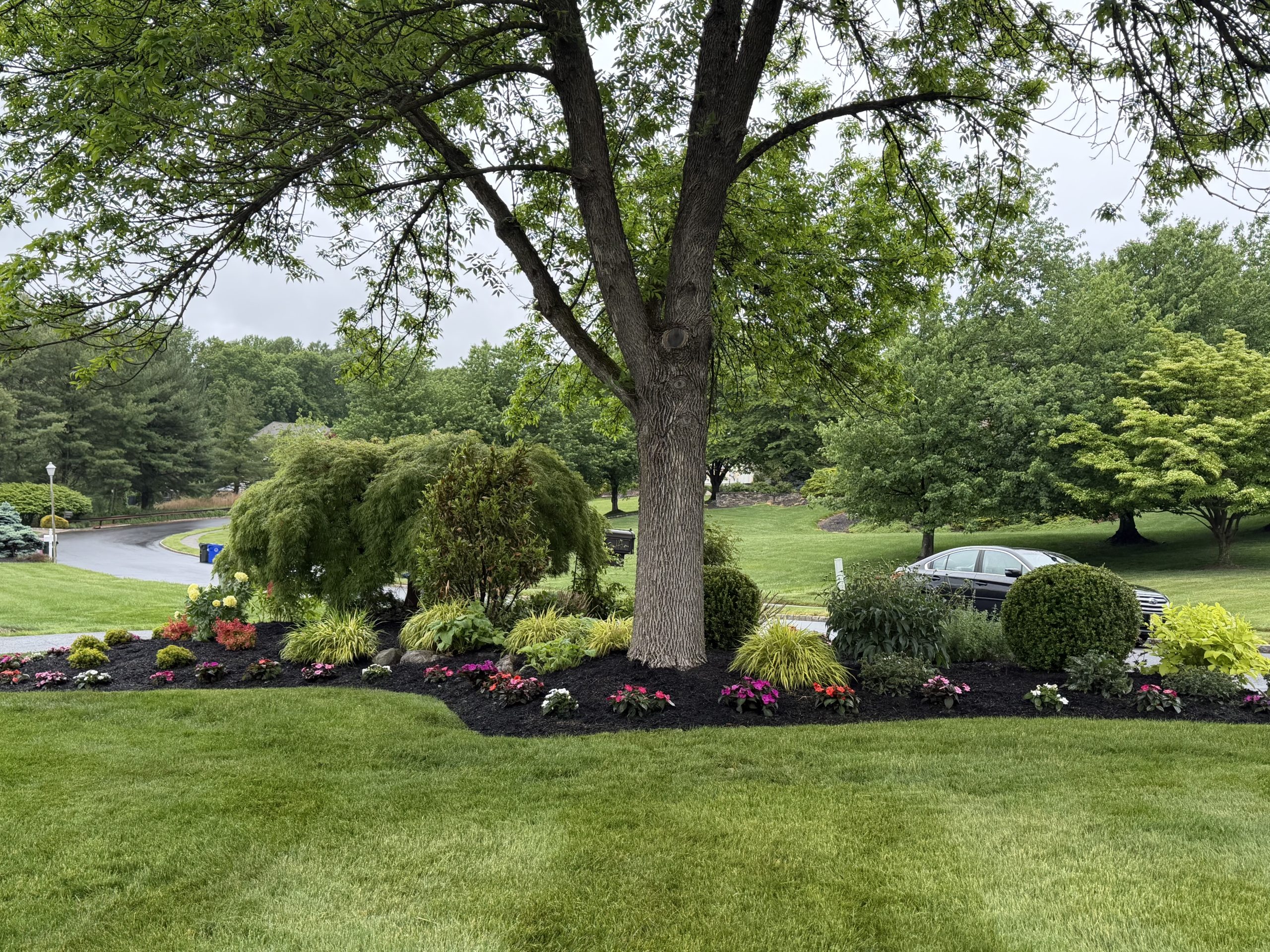
A yard rarely falls apart all at once. More often, it declines by inches. A lawn thins in the shady corner. Shrubs get a little leggy. Mulch fades and washes out along the walkway. A clogged downspout leaves a wet patch near the foundation, and before long, that damp area turns into moss, then muddy foot traffic, then a drainage problem that costs real money to correct.
That slow drift is why seasonal landscape maintenance matters so much. The healthiest, best-looking properties are usually not the ones with the biggest budgets. They are the ones where the owner pays attention at the right times of year. Timing, more than intensity, is what keeps a landscape attractive and manageable.
Over the years, one pattern becomes clear. Homeowners who treat the yard as a set of seasonal tasks spend less, replace fewer plants, and avoid the large cleanup jobs that seem to appear out of nowhere. A sensible maintenance rhythm protects not only curb appeal, but also irrigation systems, hardscapes, soil health, and even the structure of the home itself.
The checklist below is built around the way landscapes actually behave through the year. It is not meant to turn every homeowner into a groundskeeper. It is meant to help you do the right work at the right moment, before small issues become expensive ones.
The real purpose of a seasonal routine
Landscape maintenance is often framed as cosmetic, but in practice it is closer to preventive care. A spring cleanup lets turf and beds breathe after winter. Summer monitoring keeps stress from becoming dieback. Fall work prepares roots, soil, and drainage for colder weather. Winter is quieter, but it is still the season when hidden damage often starts.
A simple example is pruning. Done at the proper time, it improves structure, flowering, and airflow. Done too late, too early, or too aggressively, it can leave a plant vulnerable to disease, winter injury, or weak regrowth. The same is true for fertilizing, watering, aeration, and weed control. Good timing gives you leverage.
Climate and region always matter. A homeowner in coastal South Carolina will not follow the same calendar as someone in Minnesota or Colorado. Warm-season grasses and cool-season grasses demand different schedules. Heavy clay behaves differently from sandy soil. Still, the seasonal logic stays consistent. Watch what the landscape is entering next, and prepare it for that transition.
Spring is for correction, cleanup, and careful optimism
Spring is when most homeowners feel the urge to do everything at once. That impulse is understandable. After winter, the yard looks tired, debris is visible everywhere, and garden centers make every plant look essential. But spring landscape maintenance works best when you start with assessment before action.
Walk the property after the soil has thawed and dried enough to support foot traffic without compaction. This first inspection tells you more than a dozen online checklists. Look for winter burn on evergreens, broken limbs, heaved perennials, standing water, lawn disease patches, edging that has shifted, and mulch that has migrated downhill. Notice what survived, what struggled, and what appears to be in the wrong place.
One of the most common spring mistakes is cleaning too early. Pollinators and beneficial insects often shelter in hollow stems, leaf litter, and the upper layer of garden debris. If you clear everything aggressively during the first warm spell, you can set back the garden’s natural balance. In many regions, waiting until temperatures are consistently mild is the more responsible move. That does not mean neglect. It means pacing the cleanup so the landscape wakes up without being stripped bare.
This is also the season to correct drainage issues that winter exposed. A soggy patch in April is a gift, unpleasant as it may look, because it shows exactly where water is collecting. If you ignore it until July, the evidence disappears and the damage remains. Sometimes the fix is simple, such as cleaning a buried pop-up emitter, adjusting a downspout extension, or restoring grade around a bed edge. Sometimes it points to compacted soil or a failed drain line. Either way, spring is when the problem is easiest to diagnose.
Lawns need restraint in spring. Many people overfertilize at the first sign of green-up, then mow too short, then wonder why the grass struggles when summer heat arrives. A better approach depends on your turf type, but almost always includes sharpening mower blades, correcting low spots, applying pre-emergent weed control if appropriate, and beginning mowing at a healthy height. Scalping a lawn in spring can undo weeks of recovery.
Beds and planting areas deserve equal attention. Refreshing mulch is useful, but piling it too deep around trunks and crowns is one of the oldest landscape mistakes around. Mulch should moderate temperature, retain moisture, and suppress weeds. It should not bury root flares or create a damp collar against stems. Two to three inches is often enough, depending on material and conditions.
If there is one spring habit that saves homeowners from a season of frustration, it is this:
- Inspect first, especially drainage, winter damage, and irrigation lines.
- Clean beds and lawn areas once conditions are dry enough to avoid compaction.
- Prune only what is seasonally appropriate and remove dead or damaged wood.
- Feed soil and turf based on need, not impulse.
- Replenish mulch and repair edges after the underlying problems are addressed.
The order matters. Too many people mulch over weeds, fertilize stressed plants, or install annual color before fixing irrigation leaks. That is decorating over dysfunction.
Summer is less about big projects and more about discipline
By summer, the landscape has shown its true hand. Plants that looked fine in May may now reveal poor siting, irrigation gaps, or root stress. This is the season when maintenance becomes observational. You are no longer waking the yard up. You are managing heat, growth, and water.
Watering is where good intentions often turn wasteful. Most landscapes suffer more from shallow, frequent watering than from slightly longer intervals. Light daily sprinkling trains roots to stay near the surface, exactly where heat dries the soil fastest. Deep, measured watering encourages better root development and often leads to stronger turf and shrubs. That said, there is no universal timer setting. Exposure, slope, soil type, plant age, and wind all influence demand.
A mature oak in established soil does not need to be watered like a newly planted hydrangea in a sunny bed. New plantings usually need more consistent attention for the first one to two growing seasons. Containers may need water daily in extreme heat. Established native plants may need very little once rooted. Summer landscape maintenance is largely the art of not treating everything the same.
Irrigation audits pay off now. Watch each zone run. Heads drift out of alignment. Rotors get blocked by growth. Drip emitters clog. One missing nozzle can create a brown patch in a week. On larger lots, I have seen owners spend hundreds replacing stressed plants when the real problem was a pinched line or a controller set to skip an entire bed. Fifteen minutes with the system while it runs can save a surprising amount of money.
Mowing practices become more important in hot weather. Taller grass shades the soil, reduces moisture loss, and handles stress better. Cutting too much at once shocks turf, especially during a heat wave. A good rule in practice is to avoid removing more than about one-third of the blade in a single mowing. Even homeowners who do everything else right can weaken a lawn by insisting on a tightly cropped look in midsummer.
Weeds become more visible now, but not all weeds call for the same response. Hand-pulling after irrigation or rain is effective for many annual weeds in beds. Perennial weeds with deep roots often require repeated removal or a more targeted strategy. Blanket treatments in high heat can injure desirable plants, especially in windy conditions. Judgment matters more than aggression.
Pruning in summer requires nuance. Light shaping, deadheading, and removal of damaged https://edwinyida856.readspirex.com/posts/landscape-maintenance-tips-for-better-mulching-and-plant-protection growth are generally reasonable. Heavy pruning during drought or extreme heat can be hard on shrubs and trees. Some spring-flowering plants should be pruned soon after bloom if you want next year’s flowers. Others are better left alone until dormancy. This is where plant knowledge matters, and where homeowners often get into trouble by treating all shrubs as if they respond the same way.
Pests and disease also peak in visibility during summer. The mistake here is either panic or denial. A few chewed leaves rarely justify drastic treatment. On the other hand, widespread spotting, defoliation, branch dieback, or webbing across multiple plants should not be ignored. Catching scale, bagworms, fungal leaf problems, or lace bug damage early usually gives you more options. Waiting until a shrub is half gone turns a manageable issue into removal and replacement.
Fall is the season that decides next year
If spring gets the attention, fall often deserves the credit. Some of the best landscape maintenance work happens when growth slows and temperatures moderate. Roots continue developing even as top growth eases off, which makes autumn a strong season for planting, lawn repair, and soil work in many regions.
This is an ideal time to evaluate what summer revealed. Plants that repeatedly scorched, wilted, or mildewed may be in the wrong place. Turf that failed on a compacted path line may need aeration and overseeding, not more water. A shrub that keeps touching the siding may need to be relocated while conditions are favorable, rather than hacked back every month for the next five years.
For cool-season lawns, fall is often the prime window for renovation. Aeration relieves compaction. Overseeding takes advantage of warm soil and cooler air. Targeted fertilization supports root development before winter. Homeowners who miss this window often spend all of spring reacting to problems they could have prevented in autumn.
Leaves deserve a more thoughtful approach than simply removing every one of them as quickly as possible. Thick mats on turf should be cleared because they block light and trap moisture. Shredded leaves, however, can be valuable as mulch or compost input. On many properties, a mower pass to chop dry leaves and redirect them into beds or compost is more useful than bagging everything for disposal. It is cheaper, improves soil over time, and reduces waste.
Fall is also the moment to cut back on certain kinds of maintenance. Late-season nitrogen pushes tender growth that may not harden off before frost. Hard pruning can stimulate regrowth at the wrong time. Excessive irrigation as temperatures cool can contribute to rot and disease in some settings. The landscape is preparing for dormancy, and your job is to support that process, not interrupt it.
Trees and shrubs need special attention before winter weather arrives. Check staking on recent plantings. Remove ties that may girdle trunks. Water deeply before the ground freezes if rainfall has been light, especially for evergreens. Winter desiccation is a real issue in many climates, and plants often enter spring weakened because they went into winter dry.
A lot of homeowners ask whether fall is a good time for major cleanup. Usually, yes, but not to the point of sterilizing the garden. Some seed heads provide winter interest and food for birds. Some perennial stems help protect crowns and support beneficial insects. The best-maintained landscapes in late fall rarely look stripped. They look deliberate.
Winter is quieter, but it is not empty
Winter maintenance depends heavily on where you live. In mild climates, growth may continue, weeds may germinate, and irrigation may still require monitoring. In cold climates, snow and freeze cycles dominate. Either way, winter is not just downtime. It is inspection season.
Without leaves on deciduous trees, branch structure is visible. This makes winter excellent for evaluating crossing limbs, storm damage, canopy balance, and sightline issues near drives or walkways. Many pruning tasks are easier when the framework is exposed, though species-specific timing still matters. Winter is also when hardscape movement becomes obvious. Frost heave, paver lifting, and cracked edging often show up now.
One winter problem many homeowners underestimate is salt injury. Deicing materials tracked or spread near planting beds can scorch roots and foliage, especially on evergreens and plants along sidewalks and driveways. If you need ice management, use it carefully and consider products less likely to damage surrounding landscape material. Better yet, focus on prompt shoveling and good drainage so less product is needed in the first place.
Snow load can break multi-stem evergreens and broadleaf shrubs. After heavy accumulation, gentle brushing may help on some plants, but aggressive shaking often does more harm than good. Brittle frozen branches snap easily. I have seen more damage from rushed cleanup after storms than from the storms themselves.
Winter is also the best time to review what worked and what did not. If a bed required constant watering all summer, that is a design issue. If a tree over the driveway drops debris into gutters every fall, that is a maintenance planning issue. Good landscape maintenance improves when it becomes less reactive and more structural over time.
The areas homeowners forget first
Most yards do not fail in the obvious places. They fail at the margins, where maintenance is easy to postpone. Bed edges soften and grass creeps in. Drainage swales fill with sediment. Tree rings disappear under turf. Vines begin climbing fences and siding. Gutters overflow onto planting beds and no one connects the runoff to the dying shrubs below.
Pay special attention to transitions. The strip between lawn and foundation beds, the back corners behind the air conditioning unit, the narrow run along a side yard, the area beneath decks, and the slope where mowing feels inconvenient, these are the places where neglected landscape maintenance creates compound problems. Weeds seed out. Moisture lingers. Rodents find cover. Hard-to-access spots become harder every season.
Lighting is another overlooked element. Landscape lighting lenses get dirty, fixtures tilt, wires surface, and overgrown plants block beams. A quick adjustment can restore safety and appearance, especially along walks and entry points. If your yard feels dull or uneven at night, the issue is often maintenance, not the fixture itself.
A practical rhythm for the average homeowner
Most people do not need a perfect horticultural calendar taped to the garage wall. They need a manageable rhythm they can actually keep. A monthly walk-through during the growing season is often enough to catch 80 percent of problems early. Bring a hose key if you use irrigation, a pair of pruners, and your phone to photograph changes or make a short note. That simple habit sharpens your timing.
For homeowners who want a compact reference, the year usually breaks down like this:
- Spring, inspect, clean, repair, and reset the landscape after winter.
- Summer, monitor water, mow properly, manage stress, and catch pest issues early.
- Fall, strengthen roots, renovate turf, improve soil, and prepare drainage for winter.
- Winter, protect vulnerable plants, inspect structure, and plan corrections for next year.
That framework is simple enough to remember, but broad enough to adapt to region and property type.
When to do it yourself, and when to call a professional
There is a useful line between routine care and skilled intervention. Most homeowners can handle seasonal cleanup, mulch refresh, light pruning, irrigation observation, and basic lawn care. Those tasks reward consistency more than specialization.
Other jobs deserve a professional eye. Large tree pruning, drainage redesign, pesticide diagnosis, retaining wall movement, irrigation rewiring, and recurring turf decline are worth expert help. It is usually cheaper to bring someone in early than to guess wrong for two seasons. A certified arborist can prevent a bad cut that permanently disfigures a tree. An irrigation technician can identify coverage problems that no amount of hand-watering will fix. A good landscape maintenance crew can also spot patterns that an owner misses because they see the property with fresh eyes.
The trick is not outsourcing everything. It is knowing which tasks have high consequences if done poorly. That is a sign of good property stewardship, not a lack of skill.
The best landscapes are maintained, not rescued
There is a distinct difference between a yard that is maintained and a yard that is repeatedly rescued. Rescue jobs are expensive, exhausting, and often avoidable. Maintenance is steadier. It asks for observation, timing, and a bit of discipline in each season.
The payoff is not only visual. Plants live longer. Water is used more efficiently. Lawns recover faster. Beds stay cleaner. Walkways remain safer. Drainage behaves. The property feels settled and cared for, which is exactly what good landscape maintenance is supposed to achieve.
A homeowner does not need to do everything in one weekend, or even do every task personally. What matters is staying in step with the seasons. The landscape will tell you what it needs if you keep showing up often enough to notice.
Majestic Mowing & Landscaping LLC
Phone number: +19733975532
FAQ About Landscape Maintenance
What is landscape maintenance?
Landscape maintenance is the ongoing care, cleaning, and upkeep of outdoor green spaces to keep them healthy, safe, and attractive.
Is $100 an hour too much for landscape work?
An hourly rate of $100 is not too much for specialized or professional landscape work, though it sits at the higher end of the standard pricing spectrum.
How much do landscapers charge for maintenance?
For professional landscaping maintenance, homeowners typically pay $100 to $410 per month for recurring services, or an hourly labor rate of $50 to $100 per hour per crew member.